Static vs Dynamic Documents: Why Your Business Should Switch
A practical guide to static vs dynamic documents, with clear template structure, variable fields, testing, and maintainable Word document automation workflows.
Static vs Dynamic Documents: Why Your Business Should Switch
Static vs dynamic documents is most useful when it removes repetitive editing without hiding how the document works. This guide explains the practical workflow, the controls that keep templates maintainable, and the points that still require human review.
For teams working in Word, the core model is straightforward: keep approved wording and layout in a reusable template, represent changing information with clearly named fields, generate from structured inputs, then review the output before distribution.
What makes a document static
What makes a document static is a practical part of static vs dynamic documents. The useful distinction is between content that should remain controlled in the Word template and information that legitimately changes from one generated document to another. Treating those two layers separately makes the workflow easier to review, reuse, and maintain.
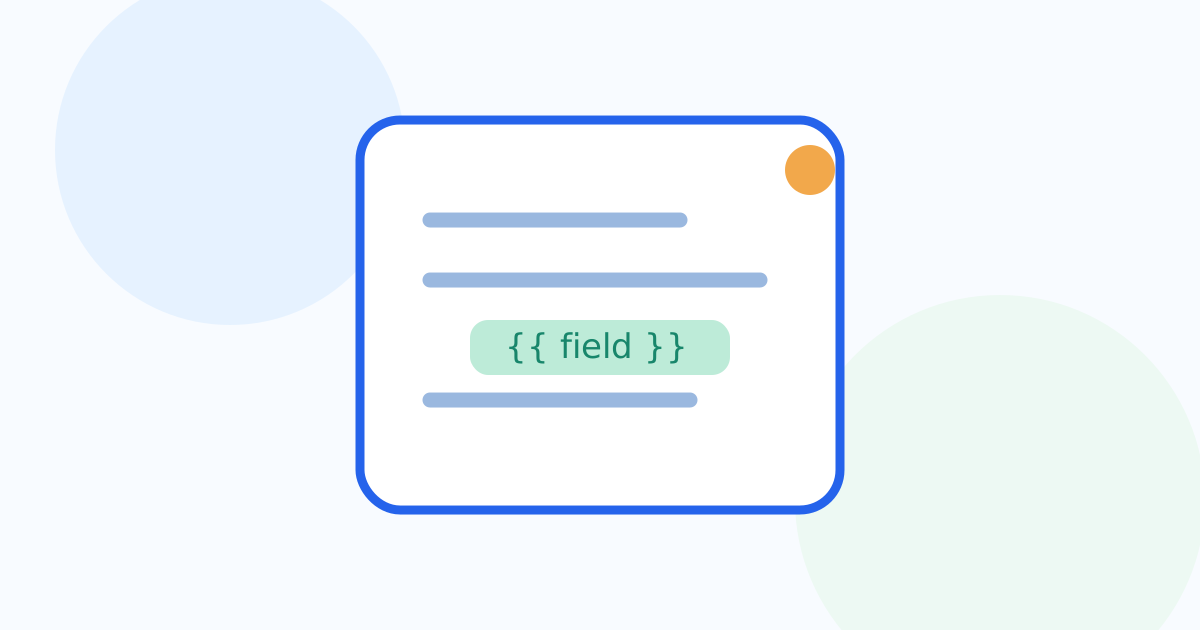
A static document is edited directly for each case. A dynamic template keeps the reusable structure fixed and exposes defined fields for the changing data. The second model is especially useful when the same document is produced repeatedly, because it reduces manual search-and-replace work without changing the underlying business decision.
Limits of static documents
Limits of static documents is a practical part of static vs dynamic documents. The useful distinction is between content that should remain controlled in the Word template and information that legitimately changes from one generated document to another. Treating those two layers separately makes the workflow easier to review, reuse, and maintain.
A static document is edited directly for each case. A dynamic template keeps the reusable structure fixed and exposes defined fields for the changing data. The second model is especially useful when the same document is produced repeatedly, because it reduces manual search-and-replace work without changing the underlying business decision.
What dynamic documents unlock
What dynamic documents unlock is a practical part of static vs dynamic documents. The useful distinction is between content that should remain controlled in the Word template and information that legitimately changes from one generated document to another. Treating those two layers separately makes the workflow easier to review, reuse, and maintain.
A static document is edited directly for each case. A dynamic template keeps the reusable structure fixed and exposes defined fields for the changing data. The second model is especially useful when the same document is produced repeatedly, because it reduces manual search-and-replace work without changing the underlying business decision.
Cost of staying static
Cost of staying static is a practical part of static vs dynamic documents. The useful distinction is between content that should remain controlled in the Word template and information that legitimately changes from one generated document to another. Treating those two layers separately makes the workflow easier to review, reuse, and maintain.
A static document is edited directly for each case. A dynamic template keeps the reusable structure fixed and exposes defined fields for the changing data. The second model is especially useful when the same document is produced repeatedly, because it reduces manual search-and-replace work without changing the underlying business decision.
Making the switch
Making the switch is a practical part of static vs dynamic documents. The useful distinction is between content that should remain controlled in the Word template and information that legitimately changes from one generated document to another. Treating those two layers separately makes the workflow easier to review, reuse, and maintain.
Start from an approved document, mark the values that change, give each variable a clear name, generate with sample data, and review the result as a recipient would see it. Keep exceptions visible; if a document requires substantial judgment or negotiation, do not force it into a rigid automated path.
Getting started checklist
Getting started checklist is a practical part of static vs dynamic documents. The useful distinction is between content that should remain controlled in the Word template and information that legitimately changes from one generated document to another. Treating those two layers separately makes the workflow easier to review, reuse, and maintain.
Start from an approved document, mark the values that change, give each variable a clear name, generate with sample data, and review the result as a recipient would see it. Keep exceptions visible; if a document requires substantial judgment or negotiation, do not force it into a rigid automated path.
A reliable way to start
Choose one frequently reused document with stable wording. Work with fictitious data first, document the field names, test edge cases, and make one person responsible for the master template. Expand only after the first workflow is predictable.
Next step
See the Difference. E-docu is designed around reusable Word templates and structured document generation. Test the approach on a non-sensitive sample document before moving a live workflow.